| Please Wait Loading ..... |
 |
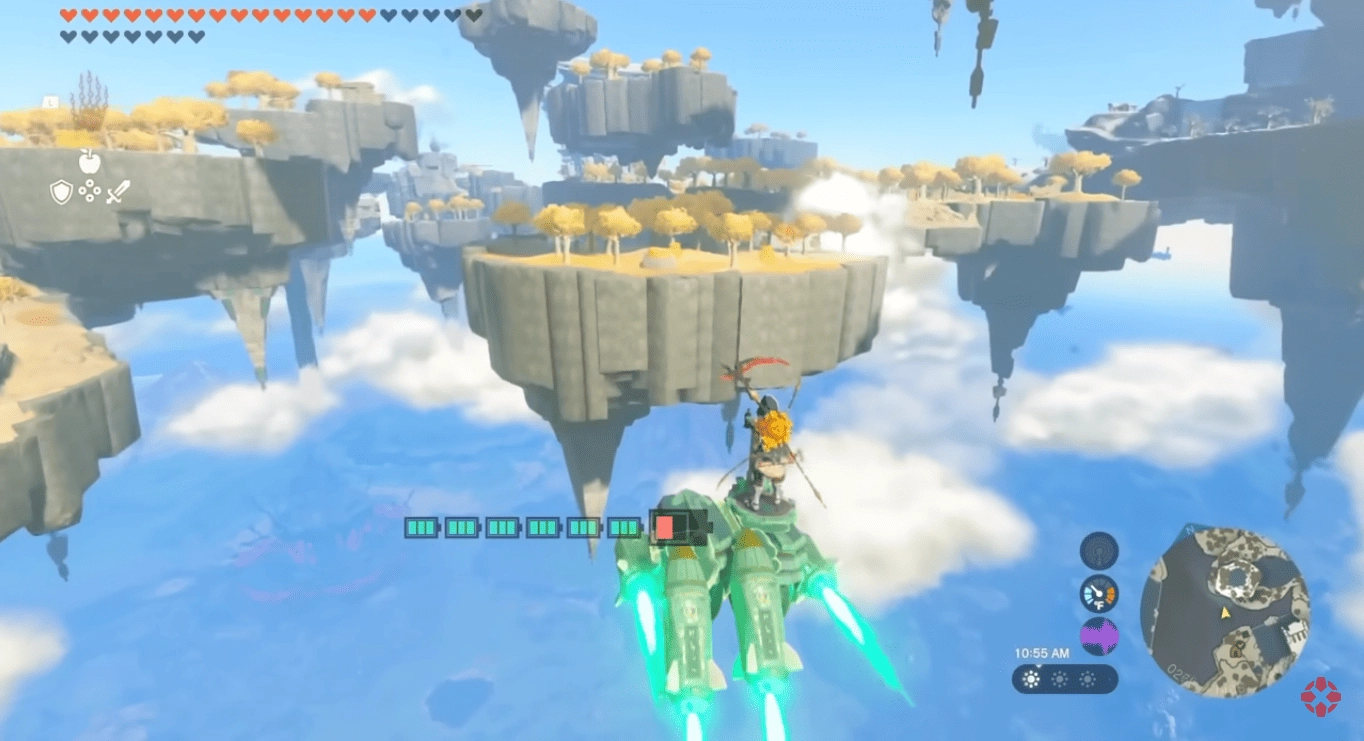
The Legend of Zelda: The Ocarina of Time (TOTK) is an iconic video game known for its immersive gameplay and captivating storyline. However, recent developments have uncovered a vehicle build within the game that exposes significant flaws in its physics engine. In this article, we will delve into the intricacies of Zelda: TOTK's physics system, explore the details of this broken vehicle build, discuss its impact on gameplay, examine the community's reactions, and shed light on the developer's response.
The Legend of Zelda: The Ocarina of Time is an action-adventure game released for the Nintendo 64 console. It follows the journey of Link, the protagonist, as he traverses a vast and enchanting world filled with puzzles, combat, and exploration.
Physics plays a crucial role in creating a believable and interactive environment within Zelda: TOTK. It governs the movement of objects, character interactions, and the overall gameplay experience. The physics engine is designed to provide a sense of realism and immersion, enhancing the player's engagement.
Within the vast world of Zelda: TOTK, players have discovered a unique vehicle build that defies the boundaries of the game's physics. This vehicle, a modified horse-drawn carriage, possesses extraordinary capabilities, allowing players to perform feats previously unimaginable.
The broken vehicle build capitalizes on glitches in Zelda: TOTK's physics engine. By manipulating certain variables and interactions, players can achieve unprecedented speeds, defy gravity, and navigate through impassable terrains. These glitches expose a fundamental flaw in the physics system, rendering it susceptible to exploitation.
The broken vehicle build grants players a significant advantage in gameplay. Its exceptional speed and maneuverability allow players to complete quests and traverse the game world swiftly. The vehicle's ability to bypass obstacles and terrain limitations provides an unfair advantage over traditional gameplay mechanics.
The broken vehicle build disrupts the carefully balanced gameplay of Zelda: TOTK. It diminishes the challenges intended by the game designers and undermines the progression system. The unintended consequences of the physics glitches introduce an element of imbalance that alters the core experience of the game.

Word of the broken vehicle build spread rapidly within the Zelda: TOTK community. Players shared their findings on forums, social media platforms, and gaming websites, leading to widespread awareness of the glitch. Videos showcasing the extraordinary capabilities of the vehicle went viral, attracting both awe and concern.
The community's response to the broken vehicle build has been mixed. Some players embrace the newfound freedom and exhilaration it brings to the game, while others express concerns about its impact on fair competition and the overall integrity of the experience. Debates regarding the necessity for a fix have sparked passionate discussions among the player base.
The developers of Zelda: TOTK have acknowledged the existence of the broken vehicle build and the associated physics glitches. In a statement released on their official channels, they expressed gratitude to the community for uncovering these issues and recognizing the passion players have for their game.
In response to the community's concerns, the developers have committed to addressing the broken vehicle build and its exploitative nature. They have initiated an investigation to understand the underlying causes of the physics glitches and are actively working on a patch to rectify the issues. The developers emphasize their dedication to preserving the fair and balanced gameplay experience for all players.
The discovery of the broken vehicle build in Zelda: TOTK has shed light on the game's flawed physics system. This unintended consequence reveals the challenges faced by developers in creating a seamless and immersive gameplay experience. The community's engagement and the developer's response demonstrate the passion and commitment surrounding this beloved game.
