| Please Wait Loading ..... |
 |
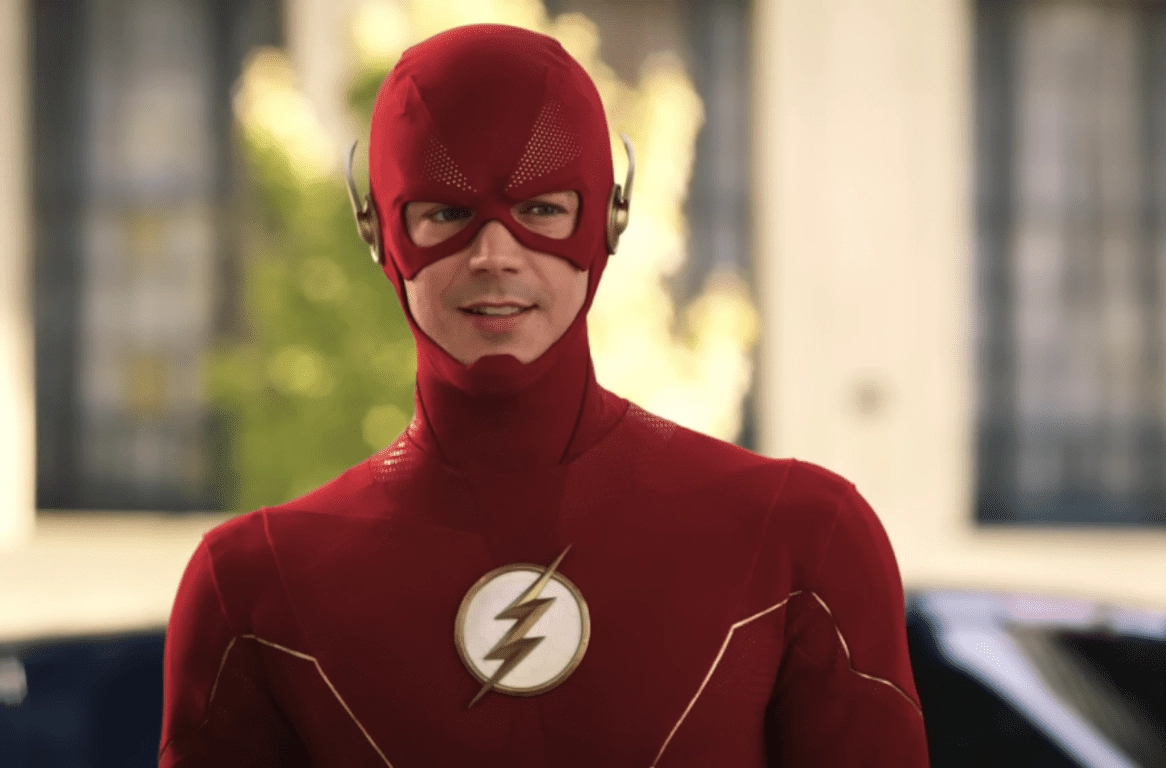
Superhero movies have become a staple of Hollywood in recent years, with characters like Iron Man, Batman, and Captain America captivating audiences around the world. However, the lack of diversity in casting and representation has been a consistent issue. With the announcement of the upcoming Flash movie, fans were excited to see the superhero portrayed on the big screen once again. However, the decision to snub Grant Gustin, who has played the character for 10 years on the CW show "The Flash" has left many feeling insulted and disappointed.
Grant Gustin first played the role of Barry Allen, also known as the Flash, in 2014 when the CW show "The Flash" premiered. Gustin's portrayal of the character quickly became a fan favorite, with his charm and humor bringing a lightheartedness to the show. Over the course of 10 seasons, Gustin has continued to grow as an actor, bringing depth and emotion to the character.
In 2018, it was announced that a Flash movie was in the works. Fans were excited to see their favorite speedster portrayed on the big screen once again, but the excitement quickly turned to disappointment when it was revealed that Grant Gustin would not be reprising his role. Instead, the role of Barry Allen would be played by Ezra Miller, a decision that left many fans feeling confused and upset.
Superhero movies have the power to inspire and uplift audiences, but they also have the ability to perpetuate harmful stereotypes and reinforce negative ideas about certain groups of people. Representation in media is important because it allows people from all walks of life to see themselves reflected on screen. When certain groups of people are consistently left out of mainstream media, it sends the message that they are not important or valued.
Grant Gustin's portrayal of the Flash has had a significant impact on fans around the world. His portrayal of the character has been praised for its authenticity and his commitment to bringing Barry Allen to life on screen. Gustin's portrayal of the character has been an important step forward in representation, as he is one of the few superheroes with a disability (Barry Allen has ADHD). Gustin has also been vocal about his struggles with anxiety and depression, which has made him an important advocate for mental health.

The lack of diversity in Hollywood has been a consistent issue, with many roles that should be played by actors of color being given to white actors instead. This practice, known as whitewashing, reinforces the idea that white actors are more important and valuable than actors of color. This has had a harmful impact on representation in media with many groups of people consistently being left out of mainstream media. Superhero movies are no exception, with many popular characters being played by white actors despite the characters being people of color in the comics. This lack of representation sends the message that certain groups of people are not important or valued, which can have a negative impact on the self-esteem and sense of belonging of those who are left out.
Grant Gustin's portrayal of the Flash has been an important step forward in representation in superhero movies. His portrayal of the character has been praised for its authenticity and his commitment to bringing Barry Allen to life on screen. Gustin's casting as the Flash was significant because he is one of the few actors with a disability to play a superhero. This sends a powerful message to audiences that people with disabilities can be superheroes too.
The decision to snub Grant Gustin in favor of Ezra Miller sends a message to audiences that Hollywood is not interested in authentic representation. It reinforces the idea that white actors are more important and valuable than actors of color, which can be harmful to audiences who do not see themselves represented on screen. The snub of Grant Gustin also sends a message to disabled audiences that their representation is not important, which can be damaging to their sense of self-worth and belonging.
The decision to snub Grant Gustin in favor of Ezra Miller could have potential consequences for the Flash movie. Fans of the TV show may be less likely to see the movie if their favorite actor is not involved, which could impact box office sales. The decision could also impact the reputation of the movie, with audiences feeling that the filmmakers are not interested in authentic representation.
Fans of "The Flash" have been vocal in their disappointment and anger over the snub of Grant Gustin. Many have taken to social media to express their frustration and disappointment, with some even calling for a boycott of the Flash movie. The reaction of fans highlights the importance of representation in media, and the impact that decisions like this can have on audiences.
The reaction of fans to the snub of Grant Gustin highlights the power of fan support in Hollywood. Fans have the ability to influence decisions made by filmmakers and studios, and their support can be a powerful force for change. The reaction of fans to the snub could potentially lead to changes in the casting process, with studios becoming more mindful of the importance of representation in media.
The snub of Grant Gustin highlights the ongoing issue of representation in superhero movies, and the importance of authentic representation. As audiences become more diverse, the need for representation becomes even more important. It is up to filmmakers and studios to take responsibility for creating media that reflects the diversity of the world we live in.
The snub of Grant Gustin highlights the importance of acknowledging and celebrating diverse representation in media. Authentic representation sends a powerful message to audiences that they are valued and important. It is up to filmmakers and studios to take responsibility for creating media that reflects the diversity of the world we live in.
The reaction of fans to the snub of Grant Gustin highlights the potential impact of fan activism in Hollywood. Fans have the ability to influence decisions made by filmmakers and studios, and their support can be a powerful force for change. The potential impact of fan activism highlights the importance of representation in media, and the power that audiences have to shape the media they consume.
The snub of Grant Gustin in the Flash movie is an insult after 10 years of playing Barry Allen. It sends a harmful message to audiences about the importance of representation in media, and reinforces harmful stereotypes about the value of certain groups of people. The reaction of fans highlights the power of fan support in Hollywood, and the potential impact of fan activism on the representation of diverse groups in media.
It is important for filmmakers and studios to take responsibility for creating media that reflects the diversity of the world we live in, and for audiences to use their power to demand authentic representation. The snub of Grant Gustin in the Flash movie serves as a reminder of the ongoing need for representation in media, and the importance of acknowledging and celebrating diverse representation when it is present.
