| Please Wait Loading ..... |
 |
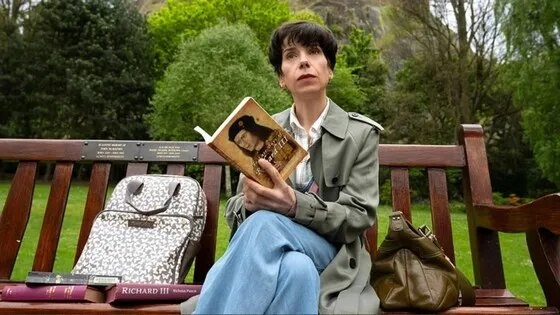
The biographical film genre has been popular for decades, with many films based on real-life events and individuals receiving critical acclaim. "The Lost King" is one such movie that portrays the life of King Charles III and Princess Margaret, played by Max Irons and Sally Hawkins, respectively. The film received mixed reviews from critics and audiences alike, with many criticizing the dull storyline and misplaced focus of the movie.
"The Lost King" is a biographical drama film that follows the life of King Charles III, who reigned for only 326 days before abdicating the throne. The movie is set in the 1950s and 60s, during a period of great change for the British monarchy. The film focuses on the royal family dynamics, with particular emphasis on the relationship between Princess Margaret and her brother-in-law, the King.
The movie starts with the death of King George VI, which marks the beginning of Charles' reign. However, Charles is not interested in the responsibilities that come with being a monarch and instead prefers to indulge in his hobbies. This lack of interest in governing the country leads to tensions between Charles and his family, particularly his wife, Queen Camilla, played by Annabel Scholey.
Meanwhile, Princess Margaret, who is frustrated with her lack of freedom and inability to marry the man she loves, starts an affair with a divorced man, Peter Townsend, played by Rufus Sewell. The affair is scandalous, and Charles is forced to intervene, leading to a rift between the siblings.
As the movie progresses, Charles' disinterest in his role as king becomes more apparent, and he ultimately decides to abdicate the throne in favor of his sister, Princess Margaret.
The storyline of "The Lost King" has been criticized for being dull and unengaging. The movie fails to capture the audience's attention and lacks the emotional depth that one would expect from a biographical drama. The focus on Charles' lack of interest in his role as king is overemphasized, leading to a lack of character development for the other members of the royal family.
Moreover, the film fails to explore the historical significance of Charles' reign and the impact of his abdication on the British monarchy. Instead, the movie is focused on the personal struggles of the characters, which, while important, should not have been the primary focus of a biographical drama.
Max Irons' portrayal of King Charles III is adequate, but the character lacks depth and fails to elicit any sympathy from the audience. The focus on his disinterest in governing the country is overemphasized, and the character becomes one-dimensional. Irons' performance is not enough to save the movie from its dull storyline.
The standout performance in "The Lost King" is Sally Hawkins' portrayal of Princess Margaret. Hawkins' performance is nuanced and captivating, and she manages to convey the complex emotions of her character with great skill. Her character is the most interesting and well-developed in the movie, and the film could have benefited from a stronger focus on her story.
The screenplay of "The Lost King" has been criticized for its lack of originality and failure to capture the audience's attention. The movie follows a predictable plot and fails to explore the historical significance of Charles' reign and abdication. The dialogue is also unremarkable, and the characters lack the wit and intelligence that one would expect from members of the royal family.
The focus on the royal family dynamics is one of the strengths of the movie. The tension between Charles and his family, particularly his wife, Queen Camilla, and his sister, Princess Margaret, is well-portrayed. However, the film's misplaced focus on Charles' disinterest in his role as king detracts from the exploration of the family dynamics, which could have been a more interesting and engaging aspect of the movie.
"The Lost King" has also been criticized for its historical inaccuracies. The film takes significant liberties with the events and characters it portrays, which could mislead viewers who are not familiar with the real-life events. The movie's failure to accurately represent the historical events and people it portrays is a significant flaw in a biographical drama.
"The Lost King" pales in comparison to other royal biopics, such as "The Crown" and "The King's Speech." Both these movies manage to capture the historical significance of the events they portray while also exploring the personal struggles of the characters. The characters in these movies are also well-developed, and the performances are exceptional.
The cinematography and soundtrack of "The Lost King" are adequate, but not exceptional. The movie lacks the grandeur and epic scale that one would expect from a biographical drama. The cinematography is unremarkable, and the soundtrack fails to leave an impression on the viewer.
Biographical films have a responsibility to accurately represent the historical events and people they portray. Inaccuracies can mislead viewers and detract from the significance of the events being portrayed. "The Lost King" is an example of a movie that takes significant liberties with the events and characters it portrays, leading to historical inaccuracies and a lack of depth in the characters.
"The Lost King" received mixed reviews from critics and audiences alike. While Sally Hawkins' performance was praised, the movie's dull storyline and misplaced focus were criticized. The historical inaccuracies and lack of depth in the characters were also points of contention. Overall, the movie failed to leave an impression on the viewers.
"The Lost King" is a disappointing biographical drama that fails to engage the viewer. While Sally Hawkins' performance is exceptional, the movie's dull storyline and misplaced focus detract from the exploration of the royal family dynamics. The historical inaccuracies and lack of depth in the characters further weaken the movie's impact. "The Lost King" is not a must-watch for fans of biographical dramas.
