| Please Wait Loading ..... |
 |
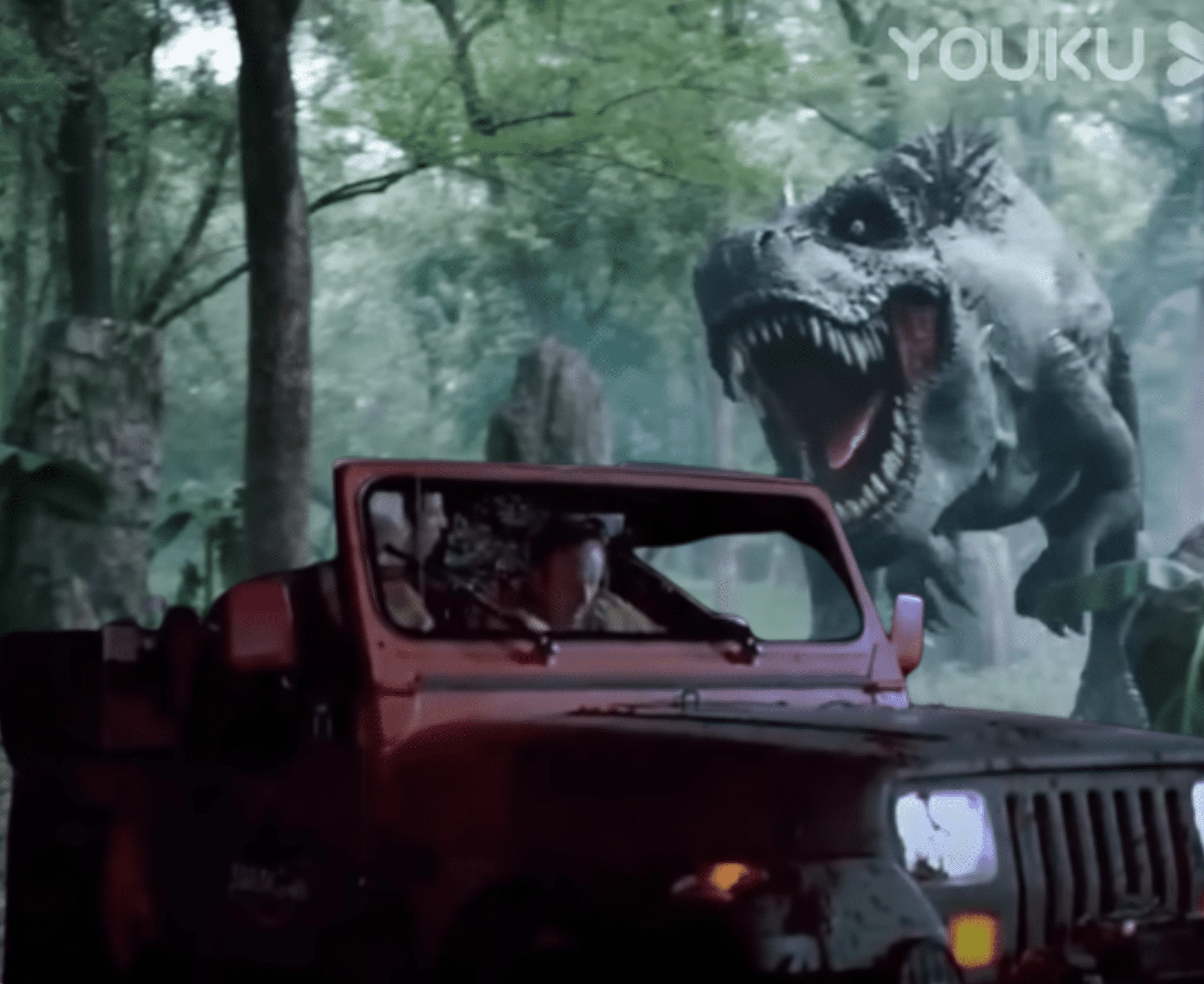
Jurassic Park is a classic film that has captured the imaginations of movie-goers since its release in 1993. The film's iconic scenes, thrilling storyline, and unforgettable characters have made it one of the most beloved films of all time. However, in the latest installment of the Jurassic Park franchise, the movie-makers made a controversial decision to retcon a classic death scene in the darkest way possible.
Retconning, short for retroactive continuity, is a common practice in film-making, where a previously established event or detail in a story is altered, usually to fit in with new developments or changes. In the case of Jurassic Park, the original death scene of John Hammond, the founder of the Jurassic Park project, was retconned in the latest installment of the franchise, Jurassic World: Fallen Kingdom.
However, in Jurassic World: Fallen Kingdom, the movie-makers made a controversial decision to retcon the death scene of John Hammond in the darkest way possible. In the movie, it is revealed that Hammond died a painful death from a mosquito bite, infected with a disease from the amber used to extract dinosaur DNA. The scene was shocking and unsettling, and many fans were left wondering why the movie-makers chose to retcon a classic death scene in such a gruesome way.
The retconning of the death scene in Jurassic Park has been a topic of much debate and controversy among fans and critics alike. Some argue that the new death scene was unnecessary and disrespectful to the original character's legacy. Others point out that the retconning was a clever way to tie in with the movie's overall storyline, which dealt with the consequences of playing God and tampering with nature.
Retconning a classic movie death can have significant implications for the storyline and the characters involved. It can change the audience's perception of the story and the characters, often for the worse. In the case of Jurassic Park, the retconning of John Hammond's death scene altered the character's legacy and made him a victim of his own ambition.
The retconning of classic movie deaths is not a new phenomenon. Throughout film history, many movies have retconned established events and details to fit in with new developments or changes. Some examples of other retconned deaths in film history include the death of Obi-Wan Kenobi in Star Wars, which was later retconned in the prequel trilogy to reveal that he did not die but became one with the Force. Another example is the death of Jason Voorhees in Friday the 13th, which was retconned multiple times in the franchise to bring the character back to life.
Retconning can have a significant impact on the storyline of a movie or a franchise. It can alter the audience's perception of the story, change the course of events, and sometimes even affect the entire franchise's direction. In the case of Jurassic Park, the retconning of John Hammond's death scene changed the character's legacy and had a profound impact on the franchise's overall storyline.
Retconning can be a tricky process, and movie-makers need to be careful not to alienate their audience by altering established details or events. It is essential to honor the original source material and to make changes that fit in with the story's overall narrative. In the case of Jurassic Park, the retconning of John Hammond's death scene was controversial because it changed an established detail that was beloved by fans.
Retconning is becoming increasingly common in modern film-making, as movie-makers strive to keep their franchises fresh and engaging. However, it is crucial to balance the need for innovation with the need to honor the original source material. Retconning can be a useful tool in modern film-making, but it needs to be used sparingly and with great care.
Retconning can raise ethical questions about the responsibilities of movie-makers to their audience and the original creators of the source material. Is it ethical to alter established details or events to fit in with new developments or changes? Should movie-makers honor the original source material or take creative liberties to make their story more engaging? These are all ethical questions that need to be considered when retconning a classic movie death or any other established detail. Retconning is likely to continue to be a common practice in film and television, as movie-makers strive to keep their franchises fresh and engaging. However, it is essential to use retconning sparingly and with great care, to honor the original source material, and to consider the ethical implications of altering established details or events.
The retconning of a classic movie death, such as the death of John Hammond in Jurassic Park, can have significant implications for the storyline, the characters involved, and the audience's perception of the story. While retconning can be a useful tool in modern film-making, it needs to be used sparingly and with great care to avoid alienating the audience or disrespecting the original source material.
